A KENZO smart electric actuator — model KZ10JNY, barely four months out of the factory (output torque 34 Nm, speed 24 rpm, enclosure IP68, 380 V supply, 0.5 kW motor on 15-minute duty, built December 2025) — became the stubborn one in a damper commissioning job: while every other actuator in the group tuned up in one pass, this unit kept tripping "open-direction over-torque", fault code 14112, stroking back and forth and blocking the whole schedule (Fig. 1).
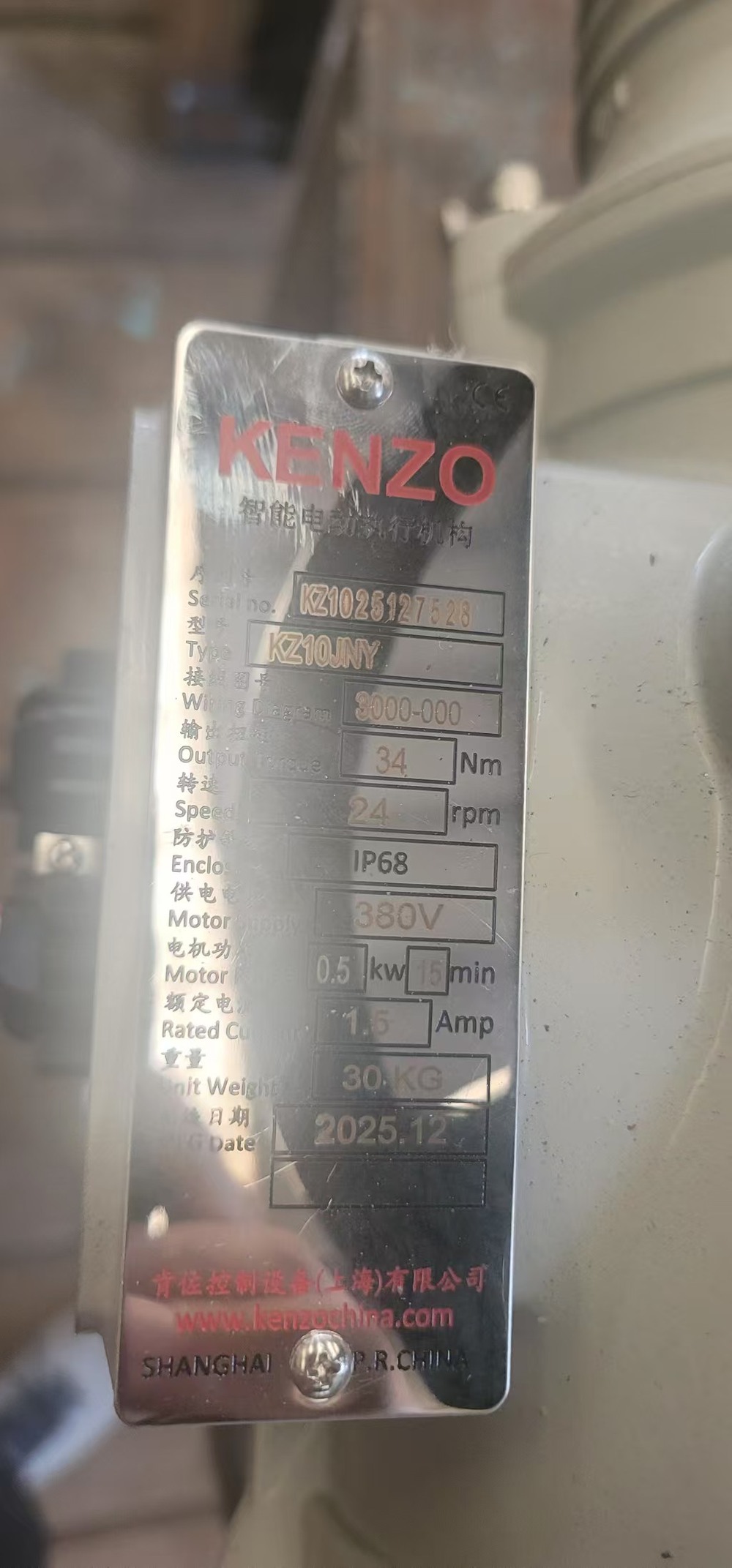
Fig. 1 Nameplate of the KENZO KZ10JNY (photos provided by the parties)
The field crew ruled out mechanics first: hand-jacking the damper through its full travel felt easy, with no sticking, and the linkage was sound. The valve was not to blame, the wiring checked out — so where did "over-torque" come from? Only one explanation remained: the actuator's own torque detection was crying wolf.
With the problem locked inside the actuator, adjusting it required the factory's word. So the site was brought into WeChat: a nameplate close-up, photos of the unit, and the fault screen went out together. The factory engineer recognized the model and batch at a glance and laid out the plan: record a full video of entering the parameter menu, and on a healthy twin of the same model, photograph parameters 6, 7, 10, and 11 — with a normal machine as the reference, any deviation would be obvious at a glance.
Soon a one-minute-two-second video arrived: using the infrared setting tool, the engineer demonstrated the whole menu entry — machine code 0 and pass-code 25 — then paged through the "parameter number / parameter value" screens, where the readings for parameters 7 and 10 were plainly visible. A voice note followed, walking through the fine points.
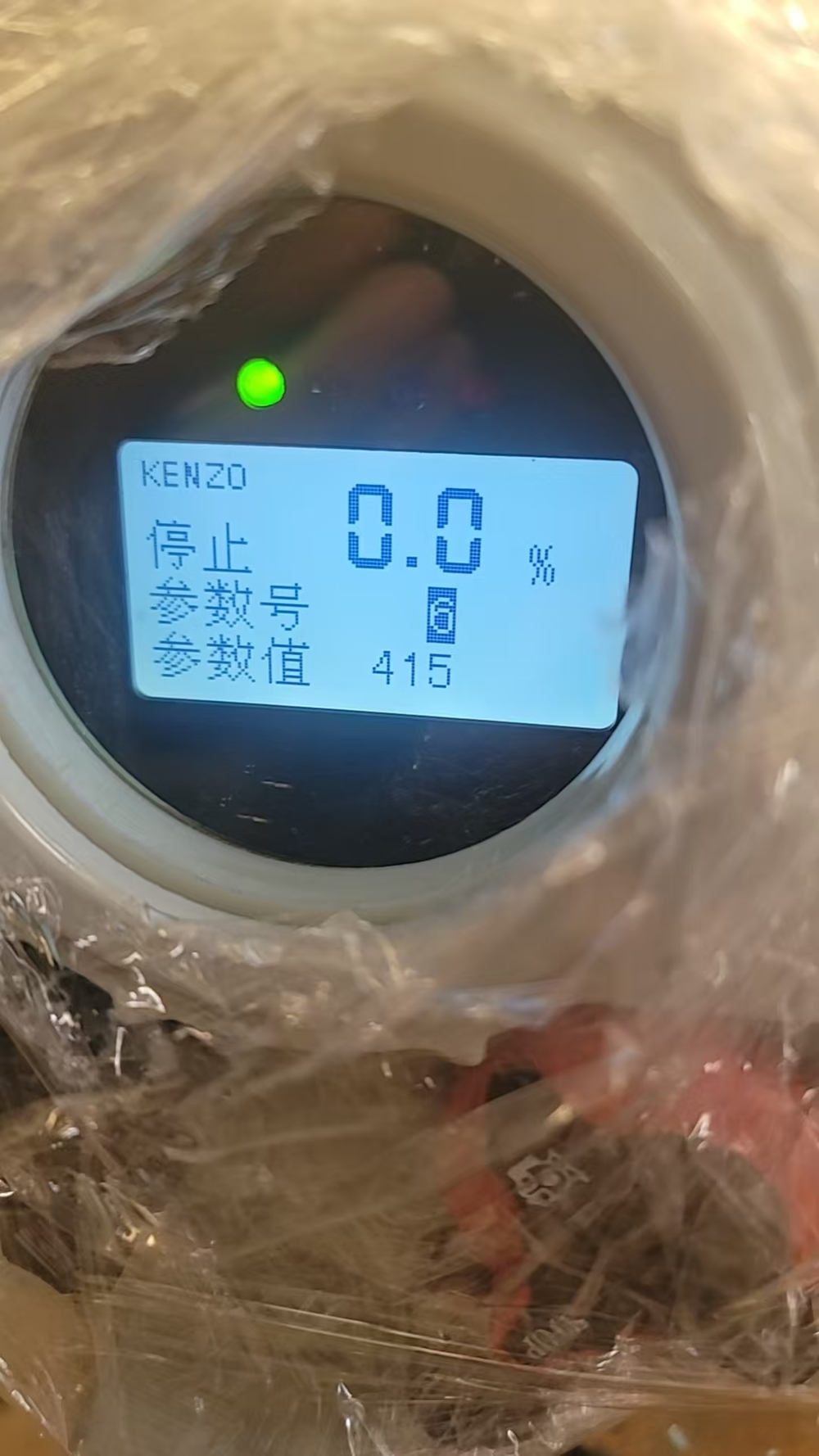
Fig. 2 Fault screen: "Stopped 11.8% — open over-torque — fault code 14112" (photos provided by the parties)
On site the next morning, the recipe was followed to the letter: the problem unit's parameter screens were photographed one by one — parameter 6 read 326, parameter 7 read 373, parameter 10 read 326, parameter 11 read 365. Against the healthy machine's readings (parameter 6 at 415, parameter 7 at 926), the deviation was plain: the problem unit's calibration values ran far smaller across the board.
Following the factory's guidance, the advanced maintenance mode was entered with pass-code 25, and the reserved "gap" parameters related to torque detection were widened one by one: parameter 10 from 326 to 410, parameter 11 from 365 to 720, closing in on the healthy machine's values (Fig. 3, Fig. 4). Power on, stroke the damper — no more over-torque trips. The fault was gone.
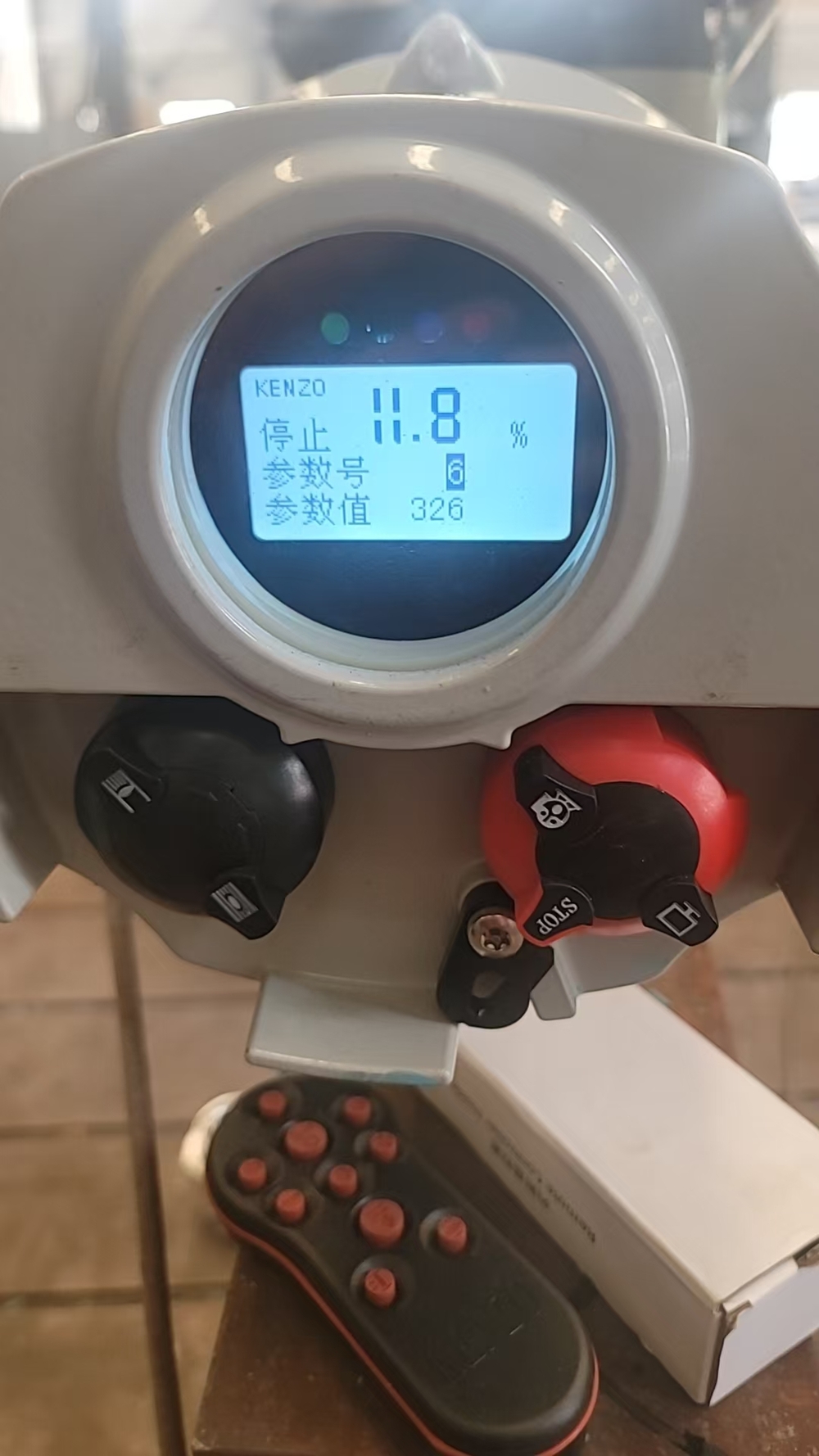
Fig. 3 The problem unit's parameter screen: "Parameter 6 / value 326" (photos provided by the parties)
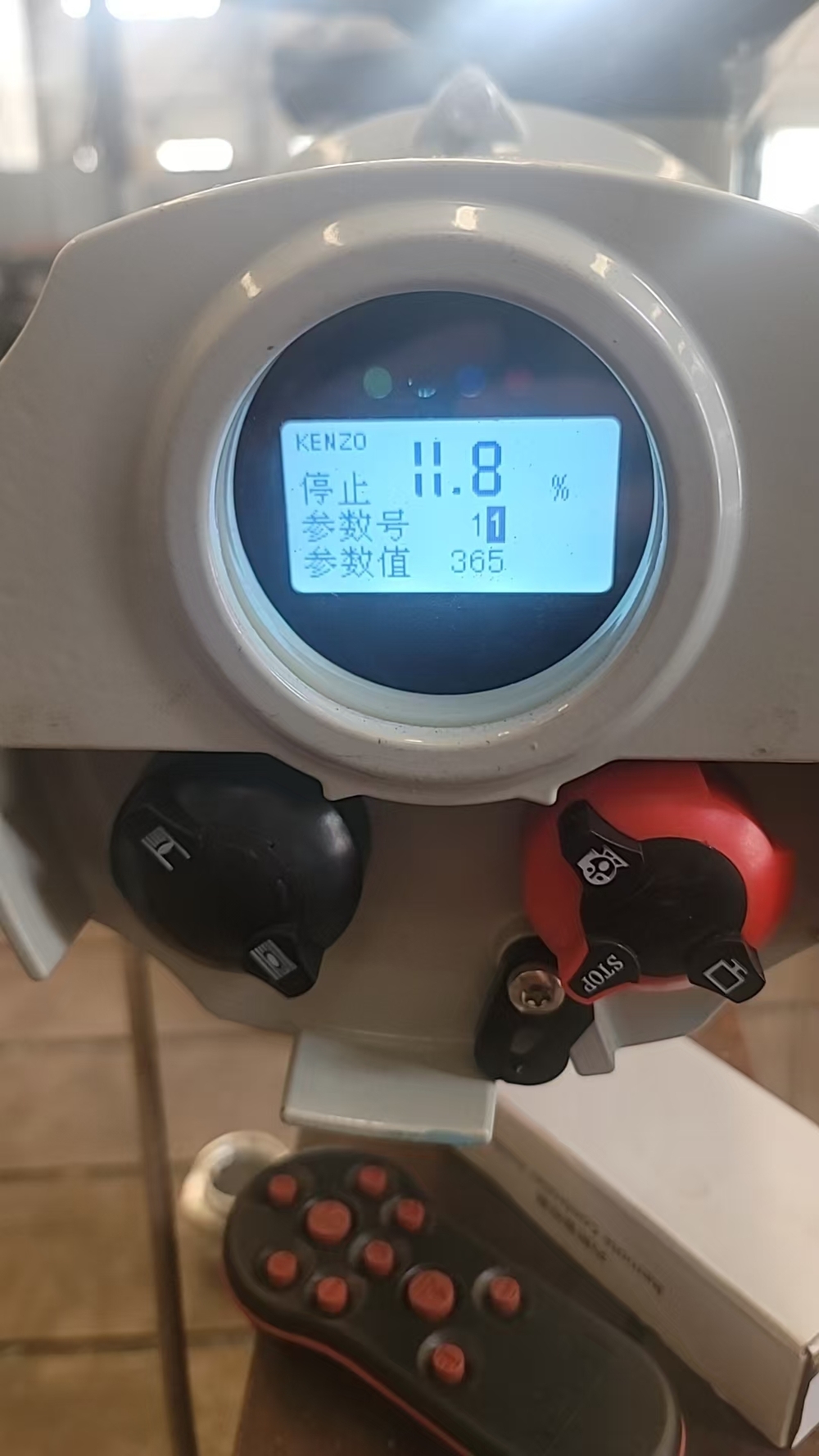
Fig. 4 Screen after adjustment: "Parameter 10 / value 410" (photos provided by the parties)
Asked afterwards "why did it happen," the factory engineer was candid: the calibration values in this machine's detection stage had been designed on the small side. The design always intended a tunable "gap" for the detection stage — the gap exists to be corrected, and in practice the difference generally needs to be widened. The reason lies in the detection principle itself: the torque acting on the sensor disc is very small, and with so small a force, the value read off the disc must be extremely precise — the slightest individual variation shows up in the reading. This particular unit carried just such a small deviation, and with a slender calibration reserve the detection fell outside its window: the damper moved effortlessly, yet the actuator was convinced it was over-torque. Widening the reserved difference brought the detection back into range, and this class of false trips will not return.
1. For an "over-torque" alarm, hand-rotate the valve first. Easy rotation rules out sticking immediately and turns the direction toward the actuator's torque detection — doing this step first saves half the detour;
2. The four-piece kit for remote diagnosis: a nameplate close-up, LCD close-ups, a video walking through the menu, and a voice note. With all four, the factory never needs to travel — this case closed in two days;
3. Parameter comparison is the fastest way to pin down the deviation: the same parameters on a healthy and a faulty unit, item by item — which one is off, and by how much, at a glance; no guessing, no trial and error;
4. The factory's reserved parameters exist to absorb individual variation. The pass-code keeps casual hands out, but when commissioning smells like a false alarm, ask the factory about a reserved correction parameter before touching hardware — and always ask "why" after the fix: understanding the mechanism turns the next occurrence into a self-service diagnosis.